

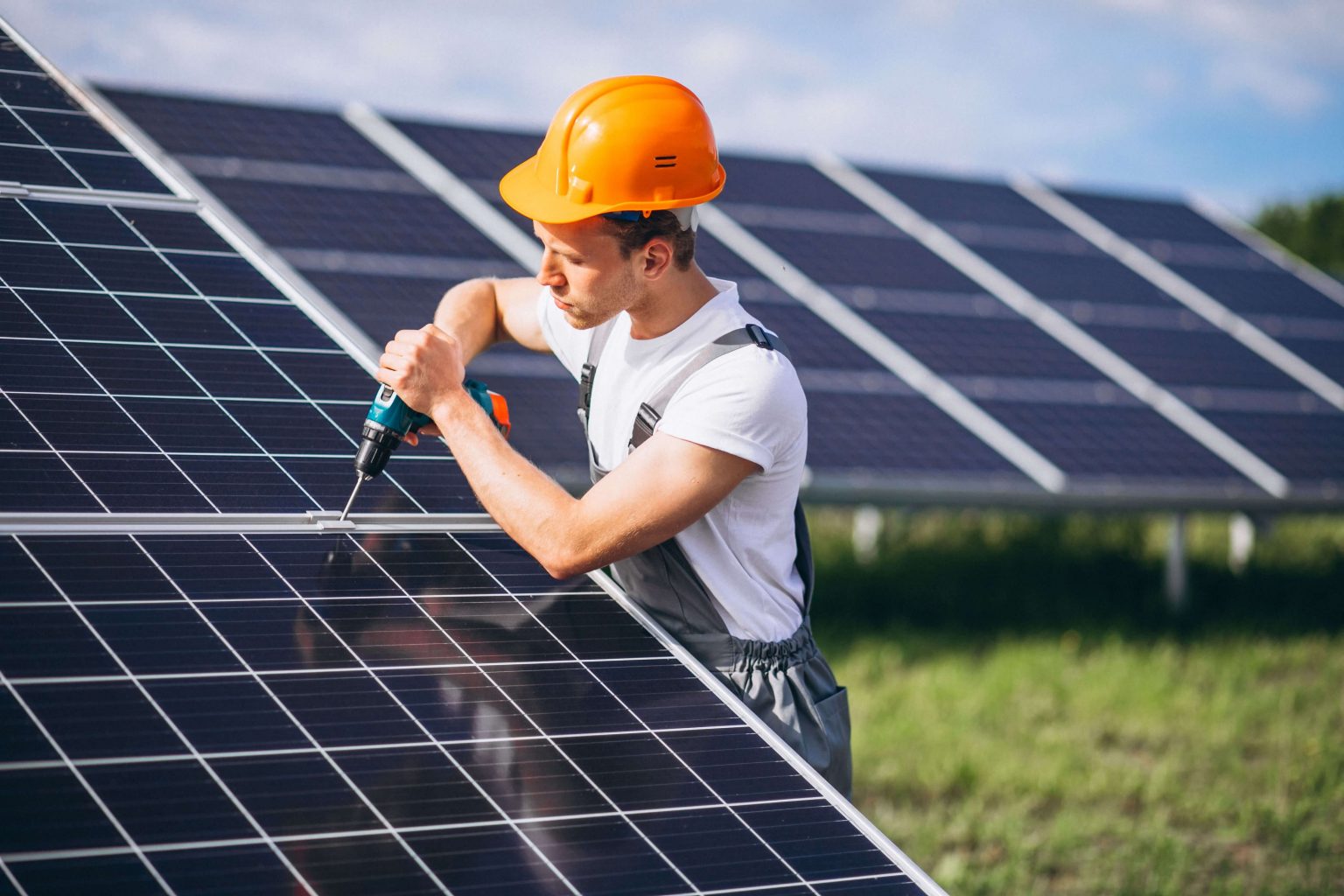
Thailand gets strong sunshine for most of the year, which makes rooftop solar a practical option for many property owners. Electricity bills rise quickly in the hot season, when air conditioners run for hours each day. solar panel installation can cut those costs, but only if you plan the system properly from the start.
Before you sign any contract, understand your energy use, your roof and the local rules. A rushed solar panel installation often leads to poor output, unexpected costs or delays in connecting to the grid.
This guide covers the main points to check before installing solar panels on a Thai property, from permits and roof condition to climate and budget.
Check Your Electricity Use
Start with your bills. Review the last 12 months to find your average monthly units (kWh) and when your usage peaks. Panels generate power during the day, so homes that run air conditioning, water pumps or home offices in daylight hours benefit most. A typical Thai household using 500 to 800 units per month may suit a 3 to 5 kW system. Size the system to match daytime demand, not total consumption.
Assess Your Roof
Your roof must carry the weight of panels and mounting rails for 25 years or more. Ask a licensed engineer to inspect the structure, especially on older buildings. Metal sheet roofs and concrete tiles both work, but each needs the correct mounting method to prevent leaks during the rainy season.
Orientation matters. In Thailand, south-facing roofs produce the most energy, followed by east and west. Avoid areas shaded by trees, water tanks or neighbouring buildings, as even partial shade reduces output.
Understand the Rules
Contact your local electricity authority before work begins. The Metropolitan Electricity Authority covers Bangkok, Nonthaburi and Samut Prakan, while the Provincial Electricity Authority covers the rest of the country. You need their approval to connect a system to the grid.
You may also need to notify your local district office or municipality and provide a structural certificate signed by an engineer. Rules for residential rooftop systems have changed several times in recent years, so confirm current requirements directly with the relevant agencies. If you plan to sell surplus power back to the grid, check the latest buy-back rate and contract terms.
Plan for the Thai Climate
High temperatures reduce panel efficiency, so choose panels with a low temperature coefficient. Dust, pollution and bird droppings also cut output. Clean panels every few months, and more often during the dry season or the northern burning season. Monsoon storms bring strong winds, so make sure the mounting system meets wind load standards.
Compare Inverter and Battery Options
Most homes use a grid-tied inverter, which powers your home first and draws from the grid when needed. A hybrid inverter with battery storage costs more but provides backup during power cuts. Base your choice on how often outages occur in your area and how much you can spend.
Set a Realistic Budget
Get at least three written quotes. Compare panel warranties, inverter warranties, workmanship guarantees and after-sales service. Many residential systems in Thailand pay for themselves within six to eight years, depending on size, usage and electricity tariffs.
Good planning protects your investment. Review your energy needs, inspect your roof, follow local regulations and choose equipment suited to Thai conditions. With these steps in place, your system can deliver reliable savings for decades.
