

Living with post-traumatic stress disorder (PTSD) can make everyday life feel overwhelming. Memories of traumatic experiences may continue to affect sleep, relationships, work performance, and emotional well-being long after the event has passed. While traditional therapies such as counseling and medication remain important, many people are also exploring complementary approaches that support the brain’s ability to heal. If you’re looking for PTSD Treatment in NYC, neurofeedback may be a valuable addition to your recovery plan. This non-invasive therapy helps train the brain to develop healthier activity patterns, allowing many individuals to better manage the symptoms associated with trauma.
Understanding PTSD and Why Treatment Matters
Post-traumatic stress disorder is a mental health condition that may develop after experiencing or witnessing a traumatic event. Although many people recover naturally over time, others continue to experience symptoms that interfere with daily life for months or even years.
Common causes of PTSD include:
- Military combat
- Physical or emotional abuse
- Serious accidents
- Natural disasters
- Medical emergencies
- Violent crimes
- The unexpected loss of a loved one
Symptoms vary from person to person but often include flashbacks, nightmares, anxiety, irritability, emotional numbness, and avoiding situations that remind them of the traumatic event.
Seeking professional PTSD Treatment early can help reduce the long-term effects of trauma and improve overall quality of life. Every individual’s recovery journey is different, which is why personalized treatment plans are essential.
How Trauma Affects the Brain
Trauma doesn’t only impact emotions. It can also influence the way different parts of the brain function and communicate.
The amygdala, which is responsible for processing fear, may become overactive after trauma. At the same time, the prefrontal cortex, which helps regulate emotions and make decisions, may become less effective. The hippocampus, which organizes memories, can also be affected, making it difficult for the brain to separate past traumatic experiences from present-day situations.
Because of these neurological changes, people living with PTSD often remain in a heightened state of alertness, even when there is no actual danger. Everyday situations may trigger fear, anxiety, or panic that seems difficult to control.
Understanding these brain changes has encouraged researchers and clinicians to explore therapies that support healthier brain function in addition to traditional counseling.
How Neurofeedback Supports PTSD Treatment
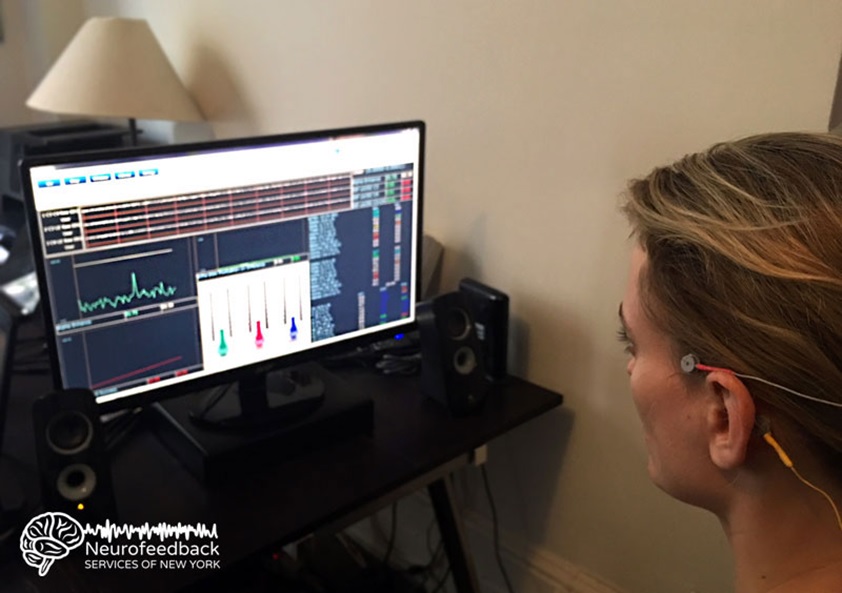
Neurofeedback is a type of biofeedback that monitors brainwave activity through sensors placed on the scalp. During treatment, specialized software measures brain activity and provides immediate visual or auditory feedback.
Unlike electrical stimulation therapies, neurofeedback does not send electricity into the brain. Instead, it allows the brain to observe its own activity and gradually learn healthier patterns through repeated training sessions.
As part of a comprehensive PTSD Treatment plan, neurofeedback aims to improve the brain’s ability to regulate stress responses naturally. Over time, many individuals notice improvements in emotional balance, focus, and resilience.
The treatment is completely non-invasive and drug-free, making it an appealing option for those seeking additional support alongside psychotherapy or medication.
What Happens During a Neurofeedback Session?
Many first-time patients are surprised by how simple and relaxing neurofeedback sessions can be.
A typical appointment generally includes:
- A brief discussion about current symptoms and progress.
- Placement of small sensors on the scalp to monitor brainwave activity.
- Watching a movie, animation, or computer display that changes according to brain activity.
- The brain receives real-time feedback and gradually learns more efficient patterns.
- Completing the session without pain, discomfort, or recovery time.
The sensors only record electrical activity already being produced by the brain. They do not deliver any electrical stimulation.
Treatment usually involves multiple sessions because the brain learns through repetition. Your provider will recommend a schedule based on your symptoms, goals, and response to therapy.
Potential Benefits of Neurofeedback
While neurofeedback is not considered a cure for PTSD, research and clinical experience suggest that it may help reduce certain symptoms when incorporated into a broader treatment plan.
Potential benefits include:
- Improved emotional regulation
- Better sleep quality
- Reduced anxiety
- Fewer nightmares
- Less hypervigilance
- Increased concentration
- Greater stress resilience
- Improved overall quality of life
Many individuals also appreciate that neurofeedback focuses on improving brain function rather than simply masking symptoms.
Because everyone’s experience with trauma is unique, results can vary. Some people notice gradual improvements after several sessions, while others may require a longer course of treatment.
Combining Neurofeedback With Traditional Therapy
Recovery from PTSD often involves addressing both the emotional and neurological effects of trauma. For this reason, many providers recommend combining different therapeutic approaches.
Neurofeedback may complement:
- Cognitive Behavioral Therapy (CBT)
- Trauma-focused psychotherapy
- Eye Movement Desensitization and Reprocessing (EMDR)
- Medication management
- Mindfulness practices
- Relaxation and stress reduction techniques
Using multiple evidence-based strategies can create a more comprehensive approach to healing. Some individuals find that improved emotional regulation through neurofeedback helps them participate more effectively in counseling and other forms of therapy.
A personalized PTSD Treatment plan should always be developed in collaboration with qualified healthcare professionals who understand your specific symptoms and recovery goals.
Is Neurofeedback Right for You?
No two trauma experiences are exactly alike, which means treatment should never follow a one-size-fits-all approach.
Neurofeedback may be appropriate for adults, adolescents, and children experiencing PTSD symptoms, especially when they are looking for a non-invasive therapy that can work alongside traditional care. Before beginning treatment, providers typically perform a thorough assessment to understand each individual’s medical history, symptoms, and treatment objectives.
It’s also important to have realistic expectations. Progress usually occurs gradually as the brain learns healthier activity patterns over multiple sessions. Consistency and ongoing communication with your provider are key components of successful treatment.
Take the First Step Toward Recovery
Healing from trauma takes time, patience, and the right support system. With a personalized PTSD Treatment plan, many individuals are able to reduce symptoms, improve emotional regulation, and regain confidence in their daily lives. Neurofeedback offers a safe, non-invasive option that may complement traditional mental health care by helping the brain function more efficiently. If you’re ready to explore whether neurofeedback is right for you, Neurofeedback Services Of New York can provide a comprehensive evaluation and guide you through a treatment plan tailored to your individual needs.
