

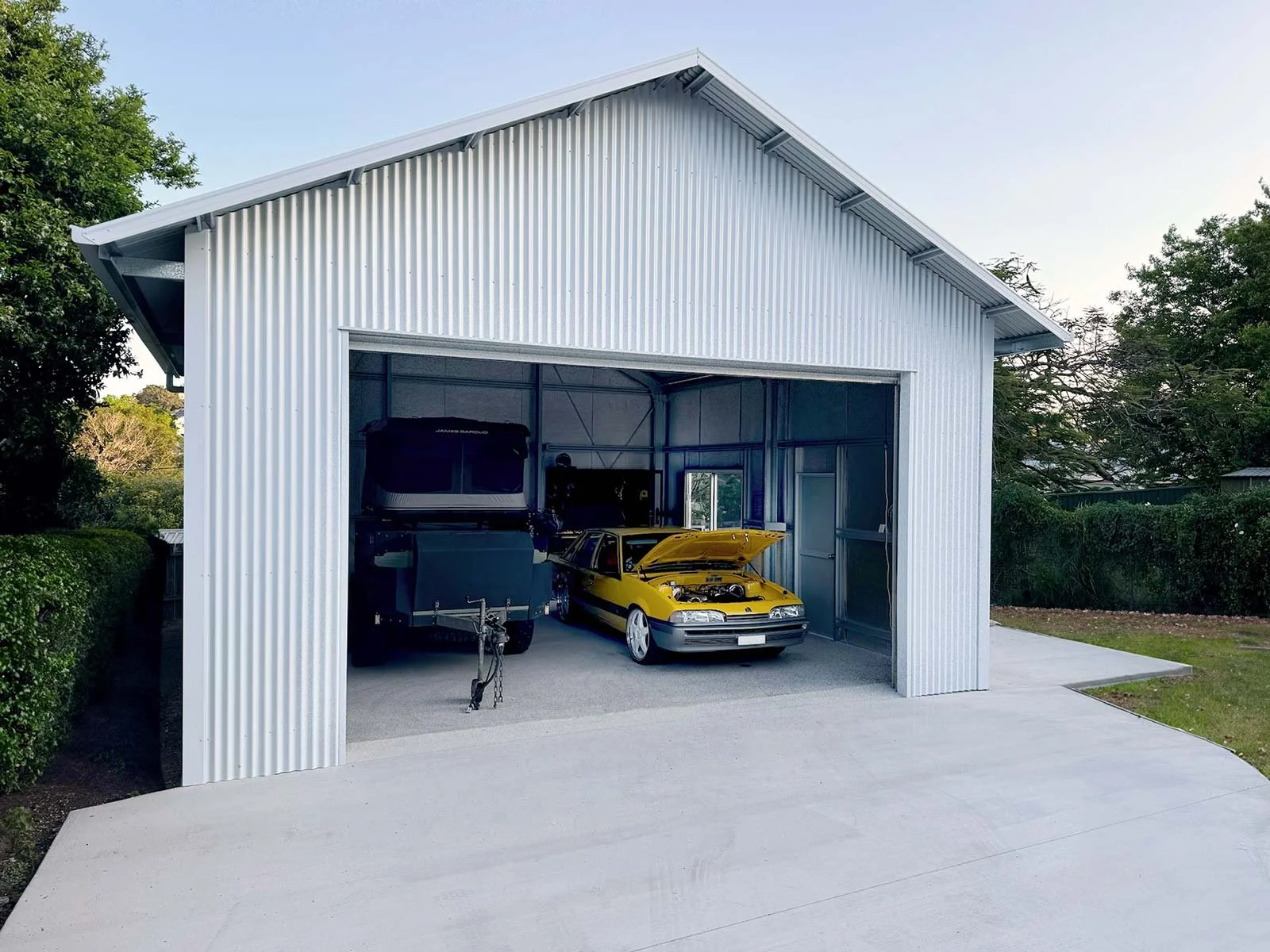
As homes evolve to support remote work, hobbies, and expanded storage needs, outdoor structures are becoming more intentional and versatile. Today’s garage sheds are built with purpose, durability, and long-term value in mind. Instead of serving as simple tool storage, they now function as organized extensions of the home that accommodate vehicles, workshops, fitness equipment, and more.
Designing the right structure requires thoughtful decisions about size, materials, layout, and compliance. When properly planned, a garage shed can improve daily organization, protect valuable equipment, and enhance the overall functionality of your property.
Clarifying the Intended Use Before You Build
The most successful projects begin with clarity. Before selecting materials or choosing a floor plan, define how the shed will function both now and in the future.
Vehicle Storage and Equipment Protection
If you plan to store vehicles, riding mowers, or heavy-duty tools, prioritize:
-
Wide garage-style doors
-
Durable flooring that supports significant weight
-
Adequate ventilation for fumes
-
Sufficient overhead clearance
Vehicle storage requires structural reinforcement that smaller storage sheds may not provide.
Workshop and Creative Space
For woodworking, mechanical work, or crafting, a shed should be designed for productivity and comfort. Consider:
-
Dedicated circuits for power tools
-
Bright LED overhead lighting
-
Workbench placement near natural light sources
-
Wall-mounted storage systems
Planning your layout early prevents overcrowding and inefficient workflow.
General Storage Expansion
For homeowners focused on decluttering the house or garage, organization is key. Install:
-
Adjustable shelving
-
Overhead racks
-
Hooks for lawn tools
-
Storage bins for seasonal items
Structured storage helps maintain order long term.
Selecting the Right Size for Long-Term Needs
One of the most common mistakes is underestimating required space. Future purchases and lifestyle changes should be factored in during planning.
Account for Movement and Accessibility
Storage space alone is not enough. Leave room for:
-
Walking paths between stored items
-
Opening vehicle doors
-
Accessing shelving comfortably
Cramped interiors quickly become frustrating and inefficient.
Utilize Vertical Space
High ceilings allow for:
-
Loft storage areas
-
Hanging racks
-
Wall-mounted cabinetry
Maximizing vertical space increases capacity without expanding the footprint.
Foundation Options and Structural Stability
A strong foundation ensures durability and prevents shifting or cracking over time.
Concrete Slab
Concrete offers maximum strength and longevity. It is ideal for:
-
Vehicle storage
-
Heavy equipment
-
Permanent structures
Though more expensive initially, concrete reduces long-term maintenance concerns.
Gravel Base
A compacted gravel foundation provides drainage and affordability. It works well for lighter storage but may not support heavy vehicles without reinforcement.
Raised Wood Platform
On uneven terrain, a treated wood platform can create a level surface. Moisture barriers should be included to protect against ground humidity.
Choosing Materials Based on Climate and Maintenance
The materials you select affect longevity, maintenance requirements, and overall appearance.
Wood Construction
Wood provides a classic, customizable look.
Advantages:
-
Easy to modify
-
Strong framing potential
-
Compatible with paint and stain
Regular sealing and inspection are essential to prevent moisture damage.
Metal Construction
Metal sheds are durable and low maintenance.
Benefits include:
-
Pest resistance
-
Fire resistance
-
Long lifespan
Proper insulation helps prevent condensation buildup in humid climates.
Vinyl and Resin Structures
Vinyl options are popular for minimal upkeep.
Key benefits:
-
Rot resistance
-
No need for painting
-
Lightweight assembly
They are best suited for lighter-duty storage unless reinforced.
Interior Layout and Organization Techniques
The interior design determines how efficiently the shed functions.
Zoning for Efficiency
Divide the shed into purpose-driven zones:
-
Storage area for seasonal items
-
Tool wall with pegboards
-
Dedicated workspace with bench
Defined sections maintain order and improve productivity.
Lighting and Electrical Planning
Electrical upgrades significantly expand usability.
Install:
-
Overhead LED fixtures
-
Multiple wall outlets
-
Exterior security lights
-
Surge protection
Always follow local building codes and consider hiring a licensed electrician.
Natural Light Enhancements
Windows and skylights reduce reliance on artificial lighting and create a more comfortable environment.
Insulation and Climate Control for Year-Round Use
Temperature management protects both stored items and anyone working inside the shed.
Insulation Materials
Common options include:
-
Fiberglass batts
-
Spray foam insulation
-
Rigid foam boards
Insulation stabilizes interior temperatures and reduces energy costs if heating or cooling is added.
Ventilation Systems
Airflow prevents moisture buildup and mold growth. Effective solutions include:
-
Ridge vents
-
Gable vents
-
Exhaust fans
-
Operable windows
Proper ventilation is especially important in humid or coastal regions.
Heating and Cooling Options
Depending on your climate, consider:
-
Electric space heaters
-
Mini-split systems
-
Portable air conditioners
Safe installation and proper circuit capacity are critical.
Security Measures to Protect Valuable Equipment
Garage sheds often store expensive tools and machinery. Security should be integrated into the design.
Reinforced Doors and Hardware
Install:
-
Solid-core doors
-
Heavy-duty deadbolts
-
Reinforced hinges
Quality hardware reduces vulnerability.
Visibility and Monitoring
Position the shed within view of your home when possible. Motion-activated lighting and camera systems provide additional protection.
Exterior Design and Property Integration
A shed should complement your home rather than look like an afterthought.
Coordinating Exterior Finishes
Match elements such as:
-
Roofing materials
-
Siding colors
-
Trim details
-
Window styles
Consistency enhances curb appeal and resale potential.
Landscaping Enhancements
Adding stone pathways, shrubs, or flower beds around the structure creates a polished appearance and helps blend it into the yard.
Budget Planning and Cost Considerations
Costs vary depending on size, materials, and customization.
Primary Expense Categories
-
Foundation preparation
-
Framing and exterior materials
-
Roofing
-
Electrical and insulation
-
Permits and inspections
Build a realistic budget that includes contingency funds for unexpected expenses.
DIY vs Professional Installation
Building it yourself can reduce labor costs, but mistakes may compromise safety or durability. Professional installation ensures compliance with local regulations and structural integrity.
Understanding Permits and Local Regulations
Before construction begins, confirm local building requirements.
Key Compliance Factors
-
Zoning restrictions
-
Property line setbacks
-
Height limitations
-
Required permits
Failure to comply can result in fines or required removal.
Ongoing Maintenance for Long-Term Durability
Routine upkeep extends the lifespan of your shed.
Seasonal Inspection Checklist
-
Check roofing for damage
-
Inspect doors and locks
-
Seal gaps or cracks
-
Repaint or reseal wood as needed
-
Clear debris from drainage areas
Proactive maintenance prevents small issues from becoming major repairs.
Frequently Asked Questions
How do I choose between a single-door and double-door setup?
If storing large equipment or vehicles, double doors or roll-up garage doors provide easier access. For basic storage, a single reinforced door may be sufficient.
What roof style works best in windy areas?
In regions prone to strong winds, a sloped roof with secure anchoring and reinforced framing provides better resistance than flat designs.
Can I add plumbing to a garage shed?
Plumbing is possible but requires permits and professional installation. It is generally practical only for sheds intended as extended workspaces or studios.
How do I prevent rodents from entering my shed?
Seal small gaps, install door sweeps, and avoid storing pet food or organic materials in accessible containers. Regular inspection helps identify entry points early.
What flooring option is best for heavy machinery?
A reinforced concrete slab offers the strongest support for heavy equipment and vehicles. It also simplifies cleaning and maintenance.
How much insulation is necessary for moderate climates?
In moderate climates, wall and roof insulation with proper ventilation is often sufficient. Climate control systems may not be necessary unless you plan extended daily use.
Can a garage shed increase property appeal when selling?
Yes, especially if it is well-built, properly permitted, and aesthetically coordinated with the home. Buyers often appreciate additional storage and workspace flexibility.
