

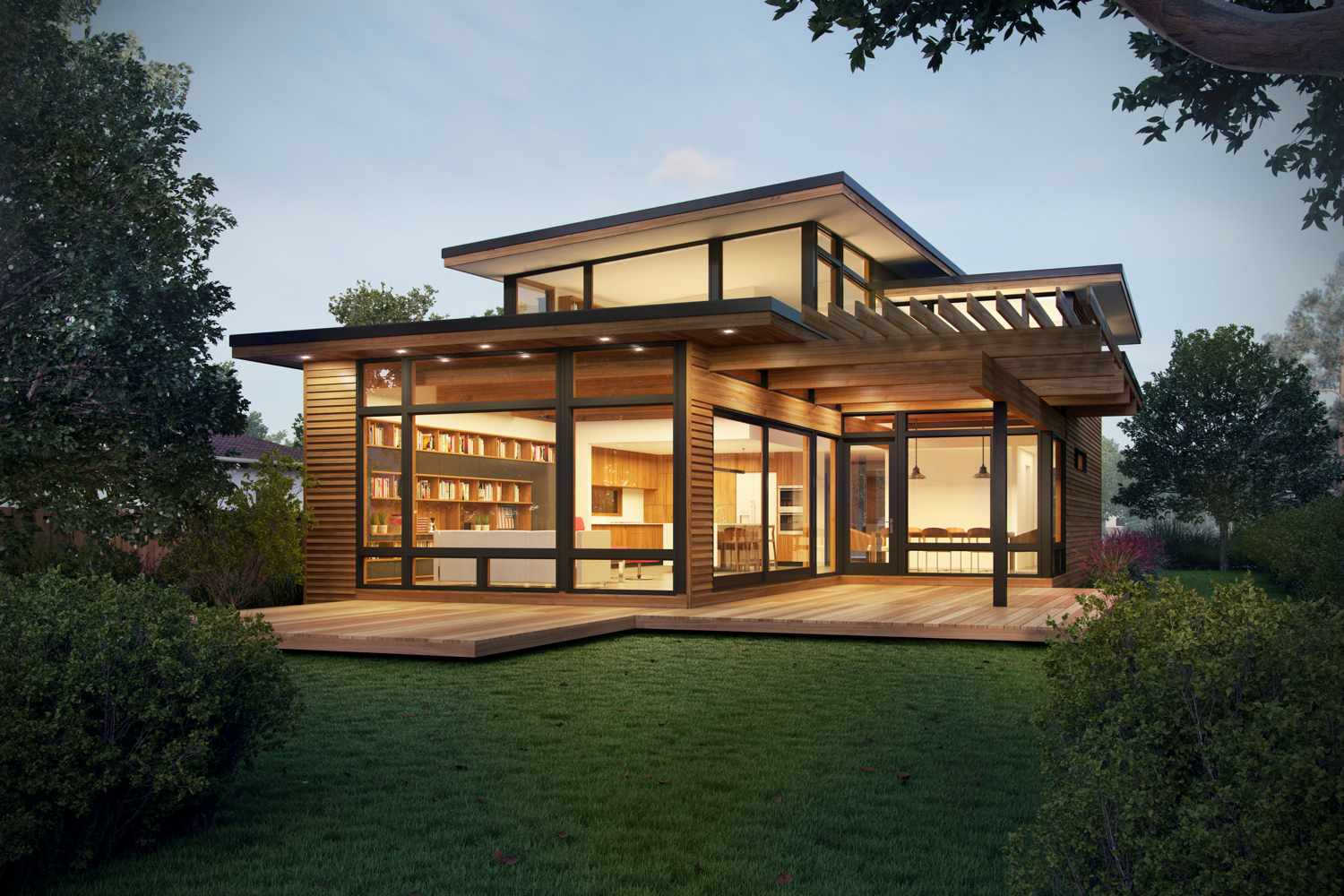
Architecture, more than mere shelter, is a reflection of humanity’s aspirations, intellect, and culture. Across the centuries, civilizations have risen and fallen, yet their architectural legacies endure—whispering stories of grandeur, belief systems, ingenuity, and societal values. From the monolithic temples of Ancient Egypt to the sleek, sustainable designs of the 21st century, architecture has always been more than a practical endeavor; it is an expressive art form that binds the tangible with the transcendent.
At its core, architecture is the thoughtful orchestration of space. It serves a functional purpose, certainly—to house, to protect, to facilitate—but in the hands of a master, it transcends function. A well-designed building speaks a language of its own, communicating through scale, proportion, materials, and light. The Parthenon in Athens does not merely stand as a structure of stone; it stands as a testament to the Greeks’ devotion to harmony and mathematical precision. Similarly, the soaring spires of Gothic cathedrals, such as Chartres or Notre-Dame, draw the eye—and the spirit—upward, articulating the medieval desire to reach towards the divine.
Architectural styles evolve in tandem with technological advancements and cultural shifts. The Renaissance, for example, heralded a return to classical ideals—symmetry, balance, and clarity—after the relative chaos of the Middle Ages. Architects like Filippo Brunelleschi and Leon Battista Alberti reimagined Roman techniques through a new lens of scientific inquiry and humanism. The result was an architecture that celebrated the individual and placed humanity back at the center of the universe.
Fast forward to the 19th and 20th centuries, and one witnesses a cascade of experimentation and rebellion. The Industrial Revolution introduced new materials such as iron, steel, and reinforced concrete, liberating architecture from the constraints of traditional stone construction. With these innovations came bold new visions. Modernist architects like Le Corbusier and Ludwig Mies van der Rohe sought to strip away ornamentation and embrace the purity of form. Their mantra, “form follows function,” captured a belief in rationalism and the machine age—a belief that architecture could be universal, efficient, and democratic.
Yet modernism, in its quest for purity, often overlooked the human element. The stark lines and impersonal nature of many post-war buildings left much to be desired in terms of warmth and contextual relevance. This disconnection sparked the rise of postmodernism, a movement that welcomed complexity, irony, and historical references. Architects such as Robert Venturi and Michael Graves infused their buildings with whimsy and pluralism, challenging the austere dogmas of their predecessors.
In recent decades, architecture has shifted once more—this time toward sustainability, adaptability, and social consciousness. The 21st-century architect is not just a designer of buildings but a steward of the environment. With climate change looming large, green architecture has moved from niche to necessity. Practices like passive solar design, green roofs, and the use of recycled materials are no longer experimental—they are expected. Firms like Foster + Partners and Bjarke Ingels Group lead the charge, demonstrating that sustainability need not come at the expense of aesthetics or innovation.
Moreover, the digital revolution has transformed architectural practice in ways previously unimaginable. Advanced modeling software and parametric design tools allow architects to conceive and test complex geometries with remarkable precision. Iconic structures like Zaha Hadid’s Heydar Aliyev Center or Frank Gehry’s Guggenheim Museum in Bilbao could not have been realized without digital intervention. These buildings, with their sinuous curves and dynamic forms, embody a new architectural language—fluid, futuristic, and unbound by orthodoxy.
Yet for all its technological prowess, architecture remains deeply human. A building is not successful merely because it is visually striking or structurally clever; it is successful when it enhances the lives of those who inhabit it. This is why vernacular architecture—rooted in local traditions, climate, and materials—still holds profound lessons. The earthen homes of sub-Saharan Africa, the stilt houses of Southeast Asia, and the whitewashed villages of the Mediterranean all exemplify how deeply architecture can resonate with place and people.
Urbanization, too, poses new challenges and opportunities. As cities swell to accommodate growing populations, architects and planners are rethinking how we live collectively. The concept of the “15-minute city”—where all essential services are within a short walk or bike ride—is gaining traction as a model for livable, sustainable urban environments. Architecture plays a central role in this vision, crafting spaces that promote community, accessibility, and well-being.
In contemplating the future of architecture, one cannot ignore the philosophical dimension. At its best, architecture provokes reflection. It makes us question our relationship to space, time, and one another. Whether through the contemplative silence of a minimalist chapel or the exuberant burst of color in a public square, architecture holds the power to affect us emotionally and intellectually.
Ultimately, architecture is a mirror. It reflects who we are and what we value, even as it shapes our daily experience. In an age of rapid change and global interconnection, the architect’s task is both more complex and more vital than ever. Balancing the needs of utility with the longing for beauty, tradition with innovation, and individual expression with collective good, architecture continues its timeless dance—anchored in the past, rooted in the present, and ever aspiring toward the future.
