

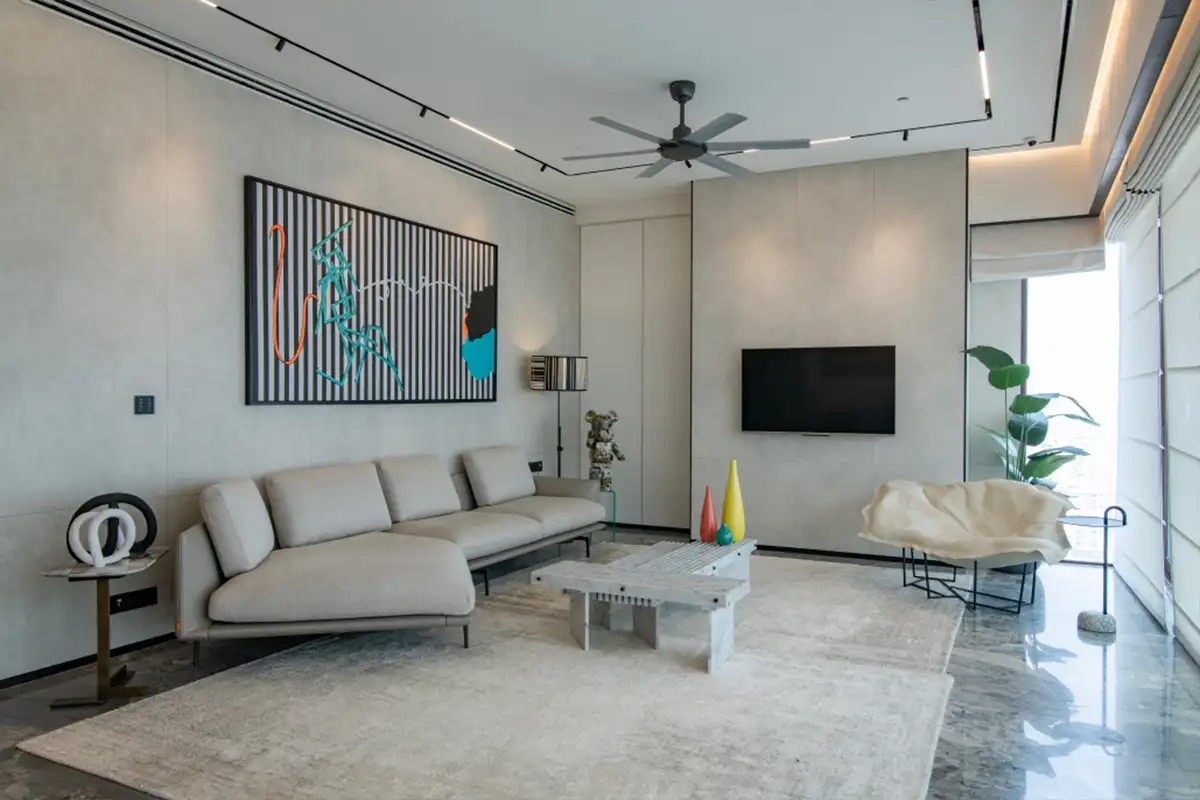
Interior design is often mistaken for decoration, reduced to color swatches and cushion choices in the popular imagination. Yet at its core, interior design is far more profound. It is the thoughtful orchestration of space, form, texture, and light to create environments that not only please the eye but enrich the soul. It shapes how we experience our surroundings—how we live, work, rest, and interact. More than aesthetics, interior design is about intention. When approached with care and creativity, it transforms the everyday into the extraordinary.
The fundamental principle of interior design is that form follows function. A beautifully designed room must, first and foremost, serve its purpose. This means understanding the practical needs of a space—how it will be used, by whom, and under what circumstances. The role of a designer is to align these needs with a cohesive and compelling visual language. A kitchen must facilitate flow and efficiency. A living room should encourage conversation and comfort. A bedroom must offer serenity. Each space speaks a different dialect, yet all must harmonize within the larger story of the home.
Scale and proportion are critical in establishing visual balance. A sprawling sectional may suit a large open-concept loft, but it would overwhelm a modest city apartment. Conversely, delicate furniture can appear lost in a voluminous room with high ceilings. Great designers possess a sensitivity to spatial dynamics, ensuring that every piece feels intentional and proportionate. This extends to the relationship between objects—how a pendant light aligns with a dining table, how artwork is hung in relation to a sofa, or how a rug anchors a conversation area. These nuances may go unnoticed by the untrained eye, but they are felt instinctively. They create cohesion and flow.
Color, when used with precision, is a potent emotional tool. It can invigorate or soothe, expand or enclose. Neutral palettes—soft whites, greys, taupes—lend themselves to timeless elegance and act as a canvas upon which textures and accents can play. Bold colors, used judiciously, inject personality and drama. The interplay between warm and cool tones, light and dark contrasts, and monochromatic schemes defines a room’s atmosphere. Light also plays a critical role, both natural and artificial. A well-lit space feels alive and inviting, while poor lighting can dull even the most beautiful design.
Materials and textures introduce richness and depth. A polished marble countertop, a hand-knotted wool rug, brushed brass hardware, or rough-hewn timber beams—each element contributes a sensory layer that elevates the room beyond mere utility. Texture allows the eye to move with interest across a space, particularly when color palettes are restrained. Mixing materials, when done thoughtfully, can create contrast and harmony. For instance, pairing a sleek glass coffee table with a plush velvet sofa introduces visual tension that feels dynamic rather than disjointed.
One of the hallmarks of sophisticated interior design is the ability to blend eras and styles. A space that mixes antique and contemporary elements, global and local influences, minimalist lines with ornate details, tends to feel more layered and personal. This curated eclecticism resists the sterility of showroom perfection and embraces a lived-in elegance. A mid-century armchair beside a neoclassical console, or a Moroccan rug under a Scandinavian dining table—these juxtapositions add narrative and soul. They reflect a home that has evolved over time, rather than one staged for a fleeting trend.
Art and accessories are often where a designer’s vision finds its most expressive voice. These finishing touches personalize a space, offering insight into the dweller’s personality and passions. A collection of ceramics, a well-thumbed stack of books, a vintage map, or a piece of modern sculpture—each item can add texture and meaning. The key is restraint. Too much, and a room feels cluttered; too little, and it lacks warmth. Successful interiors often feature a mix of objects that are both beautiful and functional, sentimental and sculptural.
In today’s design discourse, sustainability and mindfulness have become central themes. The choices we make in furnishing and finishing our spaces carry environmental implications. Interior design is increasingly aligned with values of longevity, ethical production, and ecological responsibility. This manifests in the use of natural, renewable materials; vintage and reclaimed furniture; and the prioritization of craftsmanship over mass production. A sustainable interior is not only kinder to the planet but also tends to be more characterful and enduring.
Technology, too, has reshaped the interior design landscape. Smart homes now integrate lighting, temperature, security, and audio systems into seamless, intuitive networks. These innovations, while invisible, affect how we interact with our environments. Designers must now consider not only the visual and tactile experience of a space but also its digital functionality. The challenge lies in embedding technology without compromising beauty—a feat that demands creativity and subtlety.
Ultimately, the essence of interior design lies in storytelling. A well-designed home is not just attractive; it tells a story about those who inhabit it. It reflects their aspirations, habits, heritage, and sensibilities. It invites and comforts, impresses and shelters. Great design doesn’t shout; it whispers. It communicates not only through grandeur and symmetry, but through quiet moments—a reading nook bathed in afternoon light, a perfectly placed mirror catching the glow of candlelight, a hallway that instinctively guides the eye and foot.
As trends shift and tastes evolve, one truth endures: interior design is most successful when it is personal. Beyond style, beyond the rules of proportion and palette, what matters most is how a space feels to live in. Does it support your rhythms? Does it lift your spirit? Does it feel like home? These are the questions that lie at the heart of interior design—not merely how a room looks, but how it lives. And when done with care, design becomes not just a practice, but a way of life.
