

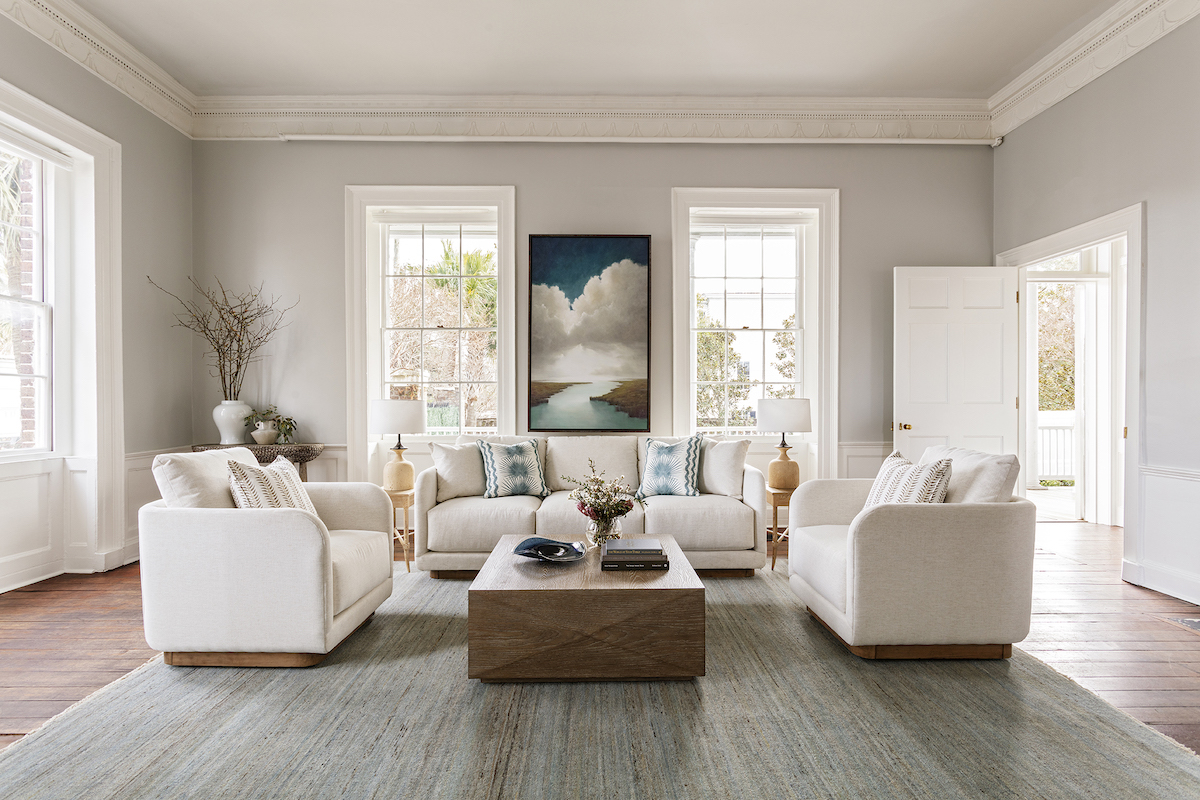
The interior design landscape moves quickly, with viral micro-trends emerging and disappearing in the span of a few months. While experimenting with passing fads can be entertaining, anchoring a home entirely on fleeting aesthetics is both exhausting and financially unsustainable. Truly great design is an investment in longevity. It focuses on movements that reflect deeper lifestyle shifts, structural innovations, and emotional well-being rather than superficial novelty.
When planning a home renovation or refreshing a room, the goal should be to identify trends that have transcended flash-in-the-pan status to become enduring design staples. These are the aesthetics and practices that designers call timeless because they balance beauty with practical functionality.
By analyzing how modern homes have evolved over recent years, we can isolate the design principles that possess genuine staying power. Here are ten interior design trends that have proven their value and are here to stay for the long haul.
1. Biophilic Design and Indoor Greenery
Biophilic design is much more than a collection of potted house plants scattered across a room. It is an architectural and interior methodology that aims to inherently connect human beings with the natural environment. This movement has transformed from a niche wellness trend into a foundational element of modern residential design.
Integrating nature into the home is proven to lower stress levels, enhance air quality, and improve cognitive clarity. This trend is staying because humans possess an innate psychological need to be connected to the outdoors. To implement biophilic design permanently, incorporate large architectural windows that frame outdoor landscapes, construct living plant walls, and introduce varied plant species at different heights within a room to mimic natural ecosystems.
2. Warm Neutrals Over Cold Grays
For nearly a decade, stark, sterile, cool-toned grays dominated the home decor industry. However, the design world has decisively shifted toward a warmer, more inviting spectrum of foundational colors. Cream, warm beige, rich taupe, camel, and soft terracotta have officially replaced the icy tones of the past.
The endurance of warm neutrals lies in their ability to make spaces feel instantly comforting, grounded, and expansive. Unlike cool gray, which can easily feel institutional and gloomy under poor lighting, warm tones interact beautifully with both natural sunlight and artificial ambient lighting. They create a versatile, nurturing backdrop that allows artwork and furniture silhouettes to stand out effortlessly.
3. Dedicated Multi-Functional Zones
The traditional open-concept floor plan, while excellent for natural light and entertaining, exposed major practical flaws when families needed to work, study, and relax simultaneously within the same large space. Rather than returning to completely walled-off, dark rooms, the industry has embraced a hybrid solution called broken-plan living.
Dedicated multi-functional zones utilize smart spatial planning to offer the visual openness of a great room alongside the acoustic privacy of an isolated office. This is accomplished through high-quality architectural interventions that are built to last, such as:
-
Crittall-style glass partitions: Steel-framed glass doors that block sound while allowing light to flow across rooms.
-
Built-in pocket doors: Sleek sliding doors that disappear completely into the wall frame when not in use.
-
Custom double-sided cabinetry: Large shelving units that act as functional room dividers while providing vital storage space.
4. Earthy, Organic Material Palettes
As synthetic materials have saturated the consumer market, a powerful counter-movement prioritizing authenticity has taken hold. Homeowners are increasingly seeking out raw, unrefined materials that tell a visual story through their natural imperfections.
Materials like travertine, unlacquered brass, white oak, soapstone, and microcement have become premium staples. Unlacquered brass is particularly appreciated for its living finish, meaning it oxidizes over time to develop a unique patina based on how it is touched and used. These materials do not lose their value because they age gracefully. Instead of showing wear and tear as damage, organic surfaces grow more beautiful and character-rich over time.
5. Maximalist Expression and Curated Art
The rigid restrictions of extreme minimalism are fading away to make room for deeply personal self-expression. Maximalism does not mean creating cluttered, chaotic spaces. Rather, it centers around the intentional curation of patterns, rich colors, textures, and meaningful objects.
This trend is permanent because it liberates individuals from strict design rulebooks and celebrates personal history. A curated home features layered textiles, bold wallpaper statements, and gallery walls that display real collected art rather than generic, mass-produced prints. It shifts the definition of a beautiful home from a perfect, staged showroom to a soulful space that tells the explicit story of the people living inside it.
6. Sustainable and Anti-Fast-Furniture Sourcing
The environmental impact of disposable furniture has triggered a permanent shift in how people source home goods. Consumers are rejecting cheaply made, flat-packed particleboard items that break down within a few years. Instead, the focus has pivoted sharply toward heirloom-quality pieces, antique hunting, and circular design.
Investing in solid wood vintage dressers, mid-century modern dining sets, or artisan-crafted stone tables is a sustainable practice that preserves historic craftsmanship. These pieces hold their economic and structural value for decades. Mixing vintage items with clean, contemporary architecture creates a high-low tension that designers use to give a home instant depth and sophistication.
7. Statement Lighting as Functional Sculpture
Lighting is no longer treated as a purely utilitarian afterthought meant simply to illuminate a dark room. Today, ambient light fixtures are treated as the central artwork or jewelry of a space. Large-scale sculptural chandeliers, plaster wall sconces, and geometric floor lamps are taking center stage in room configurations.
The focus is on choosing fixtures that look like beautiful standalone sculptures during the day when turned off, and cast dramatic, warm, layered illumination at night. By stepping away from hidden recessed ceiling canisters and prioritizing visible, artistic fixtures, homeowners can completely change the architectural scale and atmosphere of a room without changing the actual structural footprint.
8. Fluted Details and Curved Silhouettes
The sharp, rigid, linear edges that defined modern design for decades are being softened by fluid, organic geometry. Arched doorways, curved sofas, circular coffee tables, and fluted cabinetry details have become permanent design fixtures.
Psychologically, soft curves feel inherently more inviting, safe, and relaxing to the human eye than sharp, aggressive 90-degree corners. Fluting, which consists of a series of shallow concave grooves carved into wood, plaster, or stone, adds magnificent vertical texture and architectural rhythm to kitchen islands, bathroom vanities, and accent walls without overwhelming the room with color.
9. Statement Powder Rooms
While homeowners often choose safe, conservative design choices for large communal areas like kitchens and living rooms to ensure long-term mass appeal, the powder room has evolved into a dedicated zone for bold design experimentation. Because powder rooms are small, self-contained spaces, they offer the perfect canvas for high-impact visual drama.
Designers routinely use moody, floor-to-ceiling dark paint tones, exotic natural stone vanities, and whimsical, large-scale wallpapers in these half-baths. This trend is here to stay because it acts as an unexpected, delightful surprise for guests and allows homeowners to indulge their creative impulses in a manageable, cost-effective footprint.
10. Seamless Smart Home Integration
Technology is no longer something that disrupts the aesthetic harmony of a well-designed home. The era of bulky, exposed wires, massive black plastic boxes, and confusing wall-mounted control panels has transitioned into an era of invisible, seamless integration.
Modern smart homes feature hidden motorized window shades tucked neatly into ceiling pockets, television screens that transform into high-resolution framed artwork when turned off, and architectural speakers embedded invisibly behind wall plaster. This union of technology and design is permanent because it elevates daily comfort and home efficiency without forcing homeowners to compromise on historical or artistic interior aesthetics.
Frequently Asked Questions
How can I make my home look timeless if I enjoy incorporating seasonal trends?
The secret to balancing timelessness with current trends is the 80-20 rule. Invest 80 percent of your budget into your permanent architectural bones and large furniture anchors, such as high-quality flooring, neutral-toned sofas, solid wood dining tables, and built-in cabinetry. Use the remaining 20 percent for easily swappable, less expensive trend items like throw pillows, ceramic vases, small accent lighting, and seasonal table linens.
Will the shift away from cool gray lower the resale value of my home?
No, the real estate and design markets have overwhelmingly embraced warm tones. Homes painted in soft creams, warm beiges, and gentle taupes generally feel more spacious, bright, and universally welcoming to prospective buyers during open houses compared to cold, dated industrial grays.
Is biophilic design achievable in a windowless room or dark basement?
Yes, you do not need direct sunlight to implement biophilic design principles. You can achieve this by installing specialized grow bulbs into architectural light fixtures, utilizing faux plants made from high-quality real-touch materials, displaying artwork focused on natural landscapes, or integrating organic textures like natural jute rugs and raw cork wall coverings.
What is the most durable sustainable fabric for a high-use family sofa?
For a sustainable choice that survives heavy wear, look for fabrics certified by organizations like the Global Organic Textile Standard or OEKO-TEX. Performance fabrics woven from recycled polyester are highly stain-resistant, while tightly woven heavy linen-cotton blends offer superb natural strength without utilizing harmful synthetic chemical treatments.
How do I mix different wood tones in the same room without it looking messy?
To mix wood tones successfully, always identify the dominant undertone of your room, which is usually determined by your flooring. Ensure all the secondary wood elements, like coffee tables or sideboards, share that same underlying temperature, whether it is warm, cool, or neutral. To maintain visual balance, avoid mixing more than three distinct wood species within a single room.
Are curved sofas practical for small living room layouts?
Curved sofas can be practical if placed thoughtfully. While they do not sit entirely flush against a flat wall, which can waste space in a tight rectangular room, they are exceptional for floating in corners, anchoring open-concept spaces, or softening traffic flow pathways in square or irregular layouts where sharp edges create physical bottlenecks.
