

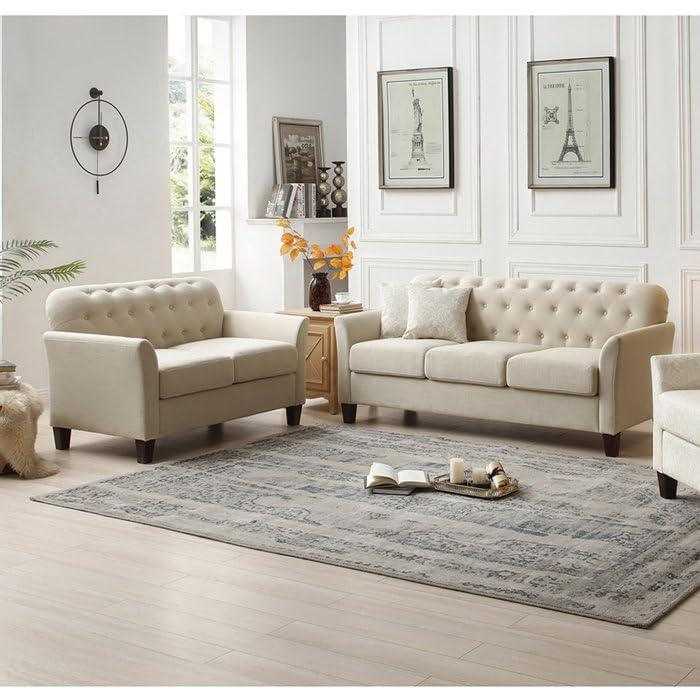
The sofa is the undisputed anchor of the living room. It is where you unwind after a long day, entertain guests, binge-watch your favorite shows, and perhaps even sneak in a afternoon nap. Because it is often the largest and most expensive piece of furniture you will buy for your living space, choosing the wrong one can disrupt the entire flow of your home.
Selecting the perfect sofa requires balancing aesthetics, comfort, and functionality. Most importantly, it demands a deep understanding of your living room layout. A beautiful sectional can look stunning in a spacious showroom but completely suffocate a narrow apartment living room. Conversely, a sleek mid-century modern settee can look lost in an open-concept great room.
To make an investment you will love for years, you must treat your sofa selection as a spatial puzzle. Here is a comprehensive guide on how to choose the perfect sofa tailored specifically to your living room layout.
Assess Your Layout and Spatial Dynamics
Before browsing online or visiting furniture showrooms, you need to analyze the architectural boundaries of your room. Every living room has a unique blueprint defined by doors, windows, traffic lanes, and focal points.
Measure the Entire Space
Do not just measure the wall where you think the sofa will go. You need the full dimensions of the room. Sketch a quick floor plan and note the length, width, and height of the space. Pay close attention to the location of radiators, fireplaces, built-in shelving, and electrical outlets, as these elements dictate where furniture can and cannot sit.
Chart the Traffic Flow
A room should be easy to walk through. If you have to shimmy past a coffee table or dodge the corner of a chaise lounge, the layout is flawed. Ensure there is at least 30 to 36 inches of walkway space between your sofa and other large furniture pieces or walls.
Determine the Primary Focal Point
Every living room needs an anchor that draws the eye. Is your room centered around a large television, a wood-burning fireplace, a wall of windows with a view, or a gallery of artwork? Your sofa should be positioned to complement, rather than compete with, this focal point.
Matching Sofa Styles to Specific Room Layouts
Different room shapes and sizes call for distinct sofa configurations. Choosing a silhouette that harmonizes with your specific floor plan is the key to a balanced design.
Small or Narrow Living Rooms
Narrow rooms, often found in urban apartments or historic homes, present a unique challenge. The goal here is to maximize seating without creating a claustrophobic tunnel effect.
-
The Ideal Match: A classic two-seater apartment sofa or a sleek three-seater with low profiles and narrow track arms.
-
Design Strategy: Avoid bulky, overstuffed rolled-arm sofas, which consume precious inches of visual and physical space. Instead, choose a sofa with raised legs. Seeing the floor underneath the furniture creates an illusion of openness. Position the sofa against the longest wall to keep the central walkway clear.
Large, Open-Concept Great Rooms
Open floor plans offer incredible flexibility but can feel cold and unstructured if the furniture is not placed correctly. The challenge is defining the living area within a massive, multi-functional space.
-
The Ideal Match: A large L-shaped or U-shaped sectional sofa.
-
Design Strategy: Instead of pushing the sofa against a wall, float it in the center of the room. The back of a large sectional acts as a pseudo-wall, beautifully zoning the living room away from the kitchen or dining area. Look for a sectional that looks attractive from all angles, including the back.
Square Living Rooms
Square rooms can feel boxy and stagnant if all the furniture is lined up perfectly against the perimeter.
-
The Ideal Match: A standard three-seater sofa paired with two accent chairs, or two identical sofas facing each other.
-
Design Strategy: Placing two sofas opposite each other, perpendicular to a fireplace or television, creates a symmetrical, conversational layout that softens the boxy nature of a square room. If you choose a single sofa, flank it with two comfortable armchairs to balance the visual weight across the space.
Formal vs. Casual Living Layouts
How you intend to use the room dictates the posture of your sofa.
-
Formal Layouts: If the room is strictly for hosting guests and conversation, look for tight-back sofas with a shallower seat depth and firmer cushioning. These promote upright posture and elegant seating.
-
Casual Layouts: If the room serves as a media den, look for deep cushions, plush down-filled inserts, and reclining features or chaise attachments where family members can stretch out completely.
Evaluating the Anatomy of the Sofa
Once you know the shape and scale that fits your layout, you must evaluate the construction details to ensure longevity and comfort.
Frame Construction
The internal frame determines how many years the sofa will last before sagging or creaking. Look for frames made from kiln-dried hardwood, such as oak, maple, or birch. The kiln-drying process removes moisture, preventing the wood from warping or cracking over time. Avoid frames held together solely by glue, staples, or nails; high-quality construction utilizes wooden dowels, double-doweled joints, and corner blocks glued and screwed into place.
Support Systems
The suspension system hidden beneath the cushions provides the bounce and structural integrity. The gold standard of sofa suspension is the eight-way hand-tied spring system, where steel coils are manually bound together with durable twine in an intricate web. Alternatively, high-quality sinuous spring systems, which consist of S-shaped wires running horizontally across the frame, offer excellent support and durability when spaced closely together.
Cushion Filling Options
Cushion filling dictates both the comfort level and the maintenance required.
-
Polyurethane Foam: The most common option. High-density foam retains its shape well and provides firm support. Low-density foam breaks down quickly, leading to unsightly dents.
-
Down and Feather Plumes: The ultimate luxury for a soft, sink-in feeling. However, these require constant fluffing to look neat.
-
Spring Down: A hybrid option featuring a foam core wrapped in a layer of down-filled pockets, providing the structure of foam with the plush comfort of feathers.
Choosing Fabrics and Colors for Your Space
The exterior material of your sofa dictates how it interacts with the light, size, and everyday usage of your living room.
Fabric Durability and Lifestyle
If you have children, pets, or a penchant for hosting wine nights, fabric selection is paramount. Performance fabrics, which are treated to resist stains, moisture, and odors, are excellent for high-traffic zones. Top-grain leather is another durable option that develops a beautiful patina over time and is easy to wipe clean, though it can feel cold in winter and sticky in summer. For low-traffic formal spaces, delicate luxury fabrics like velvet, linen, or silk blends can add incredible texture and depth.
Visual Weight and Color Palette
The color of your sofa affects the perceived size of your room.
-
Neutral Tones: Cream, beige, gray, and charcoal are timeless favorites. A neutral sofa allows you to change the room decor, pillows, and rugs over the years without needing to replace the main furniture investment.
-
Bold Statement Hues: An emerald green, sapphire blue, or burnt orange sofa can act as the stunning anchor of a room. When choosing a bold color, ensure the surrounding walls and floor treatments are subdued enough to let the sofa shine without overwhelming the senses.
Visualizing the Scale in Your Home
One of the most common interior design mistakes is misjudging scale. A sofa can fit within the physical dimensions of a room but still feel entirely wrong because of its scale relative to other objects.
To avoid this, use painters tape to map out the exact footprint of the prospective sofa directly onto your living room floor. Leave the tape there for a couple of days. Walk around it, open nearby doors, and see how the footprint affects your daily routine. If you want to visualize the height, stack cardboard boxes to match the height of the sofa back and arms to ensure it will not block your windows or overwhelm low ceilings.
Finally, measure every doorway, hallway, stairwell, and elevator cage through which the sofa must pass during delivery. Many homeowners forget that a sofa has to actually get into the living room before it can look beautiful there.
Frequently Asked Questions
What is the standard height for a living room sofa?
Most standard sofas feature a back height ranging from 30 to 36 inches, with a seat height between 15 and 20 inches from the floor. Lower back profiles are well-suited for modern, minimalist designs and rooms with low ceilings, while taller backs provide more traditional neck and shoulder support.
How do I choose between a sectional and a standard sofa with chairs?
Choose a sectional if your primary goal is lounging, maximizing seating corner space, or dividing an open-concept layout. Choose a standard sofa paired with accent chairs if you prefer a flexible layout that can be rearranged easily, if you frequently host formal gatherings where guests prefer individual seating, or if your room has multiple doors and windows that limit continuous wall space.
How far should the sofa be from the television screen?
The ideal distance depends on the size of your television screen. As a general rule of thumb, multiply the diagonal screen size by 1.5 to 2.5 to find the perfect viewing distance. For instance, a 65-inch television should ideally be positioned between 8 and 13.5 feet away from the sofa seating area.
What does double rub count mean when looking at sofa fabrics?
The double rub count is a measure of a fabric’s abrasion resistance and durability. It simulates a person sitting down and standing up repeatedly. For standard residential use, a fabric with 15,000 double rubs is acceptable. For busy family living rooms with kids and pets, aim for heavy-duty performance fabrics rated at 30,000 double rubs or higher.
Should my sofa match the color of my living room walls?
Not necessarily. While matching the sofa color to the walls creates a seamless, monochromatic look that can make a small room feel larger, it can also look flat. Most designers recommend choosing a sofa color that contrasts slightly with the walls to provide depth, or selecting a complementary hue that ties into your area rug and window treatments.
How long should a high-quality sofa realistically last?
A well-constructed sofa with a kiln-dried hardwood frame and high-quality suspension should last between 7 to 15 years. Sofas with top-grain leather upholstery and eight-way hand-tied springs can easily exceed 20 years of use if the leather is properly conditioned and maintained over time.
Can I put a sofa directly in front of a window?
Yes, you can place a sofa in front of a window, provided the back of the sofa is low enough to avoid blocking all the natural light or obstructing a beautiful view. Ensure you leave a gap of 2 to 3 inches between the back of the sofa and the window frame to allow for proper airflow and drapery movement, and use fade-resistant performance fabrics to combat sun exposure.
