

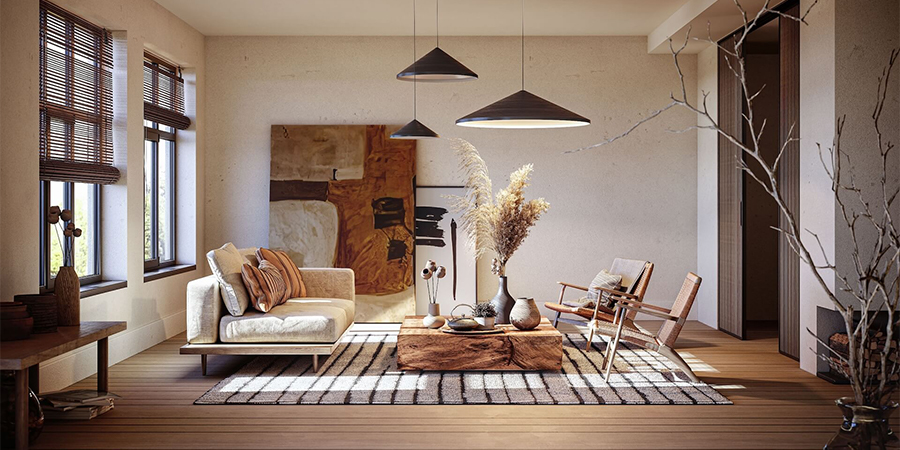
Decorating a space is far more than arranging furniture and choosing colors—it is an act of storytelling, an intimate expression of personality, taste, and lifestyle. A well-decorated home resonates on multiple levels: it soothes, inspires, and invites. In today’s fast-paced world, where trends come and go with dizzying speed, the key to a truly elegant interior lies in striking a balance between timeless style and personal expression. Here are refined, insightful decor tips that will elevate your living space into something both beautiful and enduring.
First and foremost, consider your home’s architecture. Before diving into fabrics and color swatches, pause to assess the bones of your space. High ceilings, crown molding, hardwood floors, or exposed beams can inform the direction of your decor. Even if your home is more modest in its architecture, understanding its proportions and flow can guide your choices with greater confidence. A cohesive decor scheme begins with respecting the space you’re working with, rather than fighting against it.
One of the most powerful tools in any decorator’s arsenal is color. But color should never be wielded carelessly. While bold hues can add drama and personality, a more subdued, layered palette often exudes greater sophistication. Consider anchoring your design in a neutral base—soft greys, warm taupes, creamy whites—and building upon it with thoughtful accents. This approach creates a calm, grounded atmosphere while allowing you to play with bolder touches in artwork, cushions, or statement pieces. If you do wish to experiment with color, consider using it in unexpected places: a painted ceiling, a colored trim, or a dramatic powder room.
Texture is often the unsung hero of elegant interiors. In a world dominated by screens and sleek surfaces, the tactile experience of a room can make all the difference. Layering textures—linen drapery, velvet cushions, a wool rug, rattan baskets—creates depth and warmth without relying on clutter or bold patterns. This technique allows for visual interest while maintaining a serene, sophisticated aesthetic. Think of a living room with a velvet armchair next to a rustic oak table, grounded by a sisal rug and framed by billowing, sheer curtains. The result is rich but restrained, luxurious yet lived-in.
Lighting, too, is transformative. Harsh overhead lights can flatten even the most artfully curated room. Instead, embrace a layered lighting strategy. Use a combination of ambient, task, and accent lighting to create a dynamic and inviting atmosphere. Dimmer switches, sconces, and well-placed lamps offer flexibility and mood. A statement chandelier or pendant light can act as a sculptural centerpiece, while candles and lanterns add an organic, flickering warmth. Good lighting not only enhances the function of a space—it imbues it with character and emotion.
Furniture selection should favor quality over quantity. A curated collection of well-made pieces—perhaps a vintage sideboard, an heirloom armchair, or a bespoke dining table—adds a sense of permanence and refinement. Avoid the temptation to overfill a room. Negative space is not empty; it is intentional. It allows the eye to rest and the individual elements of the room to breathe. A thoughtfully edited room will always feel more luxurious than one that is densely packed.
Art and objects are where personality shines through. While large-scale works can create drama, don’t overlook the impact of smaller, more intimate pieces. A gallery wall, for instance, composed of collected prints, photographs, or sketches, can tell a deeply personal story. Similarly, ceramics, books, and sculptures lend layers of meaning and narrative to your home. Avoid mass-produced decor when possible—pieces with history or artistry carry an irreplaceable authenticity. Visit local galleries, antique markets, or artisan boutiques to find objects that resonate with your sensibilities.
One common yet often underestimated element in decor is scent. A home should not only look beautiful but also smell inviting. Scented candles, diffusers, or even a bundle of fresh eucalyptus can enhance the ambiance of a room in subtle yet profound ways. Choose a signature scent for your space—something clean, earthy, or floral—that becomes a silent part of your home’s identity.
Another critical yet subtle tip: consider the flow between rooms. Your home should tell a continuous story, not feel like a collection of disconnected vignettes. This doesn’t mean each room must look the same, but rather that there should be a harmony in tone, material, and palette. Transitions should feel intentional, not jarring. This can be achieved through repeated elements—perhaps a consistent wood tone, a recurring color, or a motif echoed in varying forms.
Finally, never underestimate the impact of greenery. Plants breathe life—quite literally—into a space. They purify the air, soften harsh lines, and bring a touch of nature indoors. Whether it’s a sculptural fiddle-leaf fig, cascading pothos, or a simple arrangement of seasonal branches, greenery adds a fresh, organic counterpoint to more formal decor elements. Even a single, well-placed plant can elevate a room from sterile to soulful.
In the end, truly refined decor is never about impressing guests—it’s about creating a space that nourishes your spirit and reflects who you are. Trends may tempt, but timeless interiors are always rooted in authenticity, balance, and intention. By approaching your home with thoughtfulness and care—honoring its structure, curating meaningful objects, and designing with grace—you craft more than a beautiful room. You create a sanctuary. And in a world of noise and haste, a sanctuary is a rare and precious thing.
