

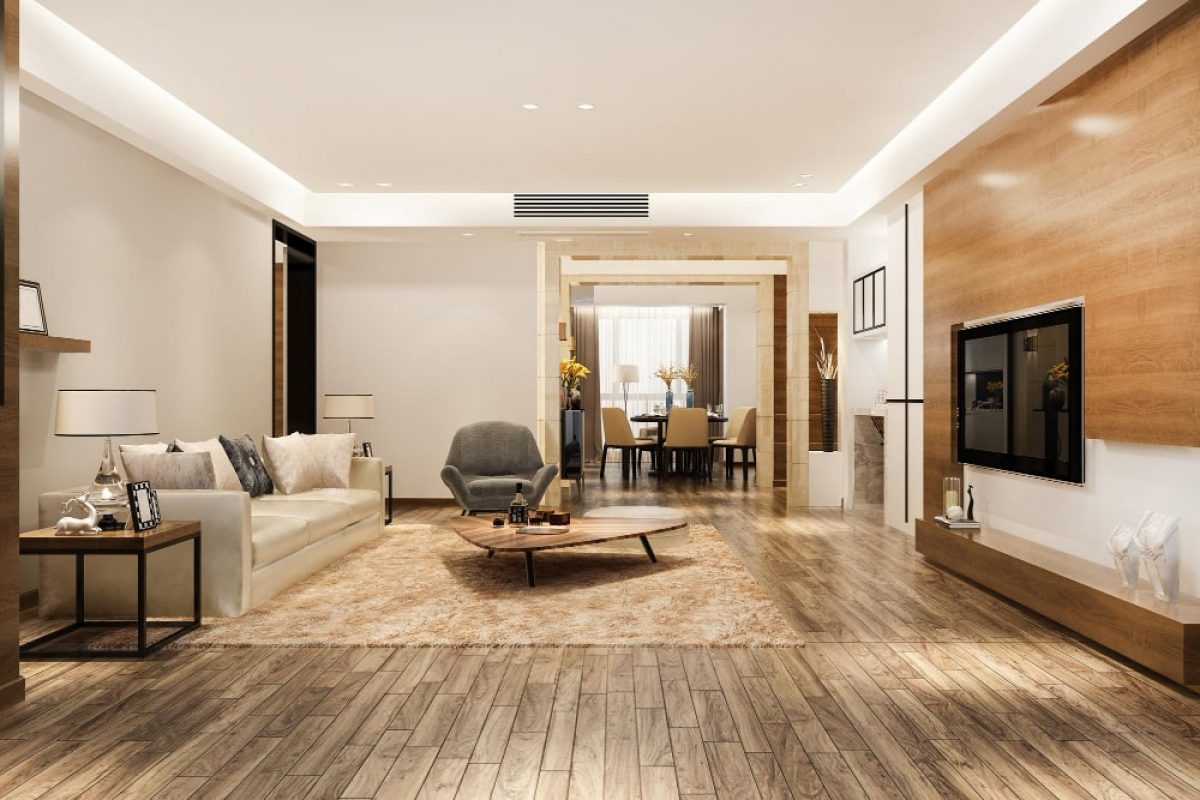
Flooring, often the unsung hero of interior design, quietly underpins the entire aesthetic and functional narrative of a space. While walls may display art and furnishings might capture attention, it is the floor that provides both the literal and visual foundation of a room. An exquisite floor does not simply support a design scheme—it elevates it. It harmonizes form and function, influences perception, and can either quietly recede or boldly command attention. As such, selecting the right flooring is not merely a practical decision but a profoundly creative one.
Historically, flooring has played a pivotal role in architectural expression. Ancient Roman villas featured intricate mosaics that told stories through stone and glass, while the marbled halls of Renaissance palaces conveyed opulence and power. In traditional Japanese homes, tatami mats dictated not only aesthetic choices but also social customs and spatial flow. Across cultures and centuries, flooring has consistently served as a canvas of cultural identity, craftsmanship, and innovation.
In the modern home, the choices are more abundant than ever—and more nuanced. Hardwood remains a perennial favorite, beloved for its warmth, durability, and timeless appeal. Whether it’s rich mahogany, rustic oak, or sleek maple, hardwood flooring adds character and a sense of permanence to a space. It ages gracefully, developing a patina that tells the story of the life lived upon it. Engineered wood, a modern alternative, offers the beauty of natural wood with greater stability and resistance to humidity, making it ideal for climates where solid wood might warp or crack.
Yet wood is just one chapter in the broader story. Stone flooring—marble, limestone, slate, and travertine—evokes luxury and sophistication. Its cool touch underfoot and organic variation make it a popular choice for foyers, bathrooms, and kitchens where elegance is paramount. Marble, with its classic veining and smooth finish, adds a sculptural quality to interiors. In contrast, slate offers a more rugged, earthy aesthetic, often favored in contemporary or rustic designs.
For those seeking comfort and softness, carpet remains a viable and often underestimated option. Though its popularity has waned in favor of harder surfaces, high-quality carpeting still offers unmatched warmth, acoustic benefits, and tactile luxury. Particularly suited to bedrooms and living areas, carpet can be used to define zones, introduce texture, or provide a cozy counterpoint to modern minimalism. When chosen thoughtfully—preferably in natural fibers like wool or with subtle, sophisticated patterns—carpet can be both practical and elegant.
In recent years, technological advancements have ushered in a new era of high-performance flooring materials. Luxury vinyl plank (LVP) and porcelain tile that mimics wood or stone offer durability, affordability, and aesthetic flexibility. These innovations allow homeowners to achieve the look of high-end materials in spaces where moisture, wear, or budget constraints might otherwise limit options. Particularly in open-plan homes, these materials can provide a seamless visual transition from room to room, balancing continuity with style.
Another increasingly significant consideration is sustainability. As environmental awareness grows, so does the demand for eco-friendly flooring solutions. Bamboo, for instance, is a fast-growing, renewable resource that offers a clean, modern look. Cork, another sustainable material, is not only renewable but also naturally antimicrobial and acoustically absorbent, making it ideal for playrooms, kitchens, and home offices. Reclaimed wood, though more challenging to source and install, provides a sense of history and ethical integrity that new materials simply cannot match.
Texture, color, and pattern in flooring should not be treated as afterthoughts. A herringbone parquet floor, for example, adds a sense of movement and architectural interest. Wide planks can make a space feel larger and more contemporary, while dark floors ground a room and evoke drama. Conversely, light-toned flooring can enhance natural light and create an airy, expansive atmosphere. Patterned tiles—be they Mediterranean encaustics or geometric mosaics—can add whimsy and focal interest, especially in transitional areas like entryways or powder rooms.
Practicality should always inform, but never restrict, your design choices. Consider how each space in your home is used. A high-traffic hallway might benefit from a hardwearing tile, while a formal dining room could be the perfect place for polished wood. Underfloor heating systems have further expanded possibilities, allowing for the use of traditionally colder materials like stone or tile in comfort-driven spaces such as bathrooms and bedrooms.
Transitions between flooring materials also deserve careful attention. Rather than abrupt breaks, consider subtle shifts in tone or texture to guide movement and maintain visual harmony. Custom inlays or borders can demarcate zones without disrupting the flow. Rugs, too, play a vital role—not just as decor but as tools to soften, define, and anchor spaces within a larger room.
Ultimately, the most successful flooring decisions are those that align aesthetics with lifestyle. A young family with pets might prioritize durability and ease of maintenance, while a city dweller in a high-rise might be drawn to the acoustic benefits of cork or carpet. The beauty of today’s design landscape is that there are no singular rules—only intelligent, intentional choices informed by a keen sense of how you wish to live.
In essence, flooring is the stage upon which daily life unfolds. It endures footsteps, celebrations, quiet moments, and the rhythm of routine. It anchors your design, supports your choices, and enhances your experience of home. With careful consideration and an eye for detail, your flooring can become not just the backdrop, but one of the most eloquent expressions of your interior vision.
